

Learn how to read each metric in your Klinko diagnostic report — Hook Score, CTR Prediction, Virality Index, Cultural Compliance — and turn scores into concrete creative changes.
How to Read Your Klinko Diagnostic Report: A Score-by-Score Playbook
Running a simulation in Klinko takes under two minutes. Knowing what to do with the results — that's where most teams slow down.
The Klinko diagnostic report returns four scored metrics — Hook Score, CTR Prediction, Virality Index, and Cultural Compliance Rating — plus a set of AI modification suggestions. Each metric measures something distinct, and the right response to a low score depends entirely on which metric is underperforming. A low Hook Score and a low CTR Prediction look similar on paper but require completely different fixes.
This playbook walks through each metric in the creative scorecard, what it actually measures, what high and low scores mean in practice, and how to translate each score into a concrete next action for your creative.
The Four Metrics in Your Klinko Diagnostic Report
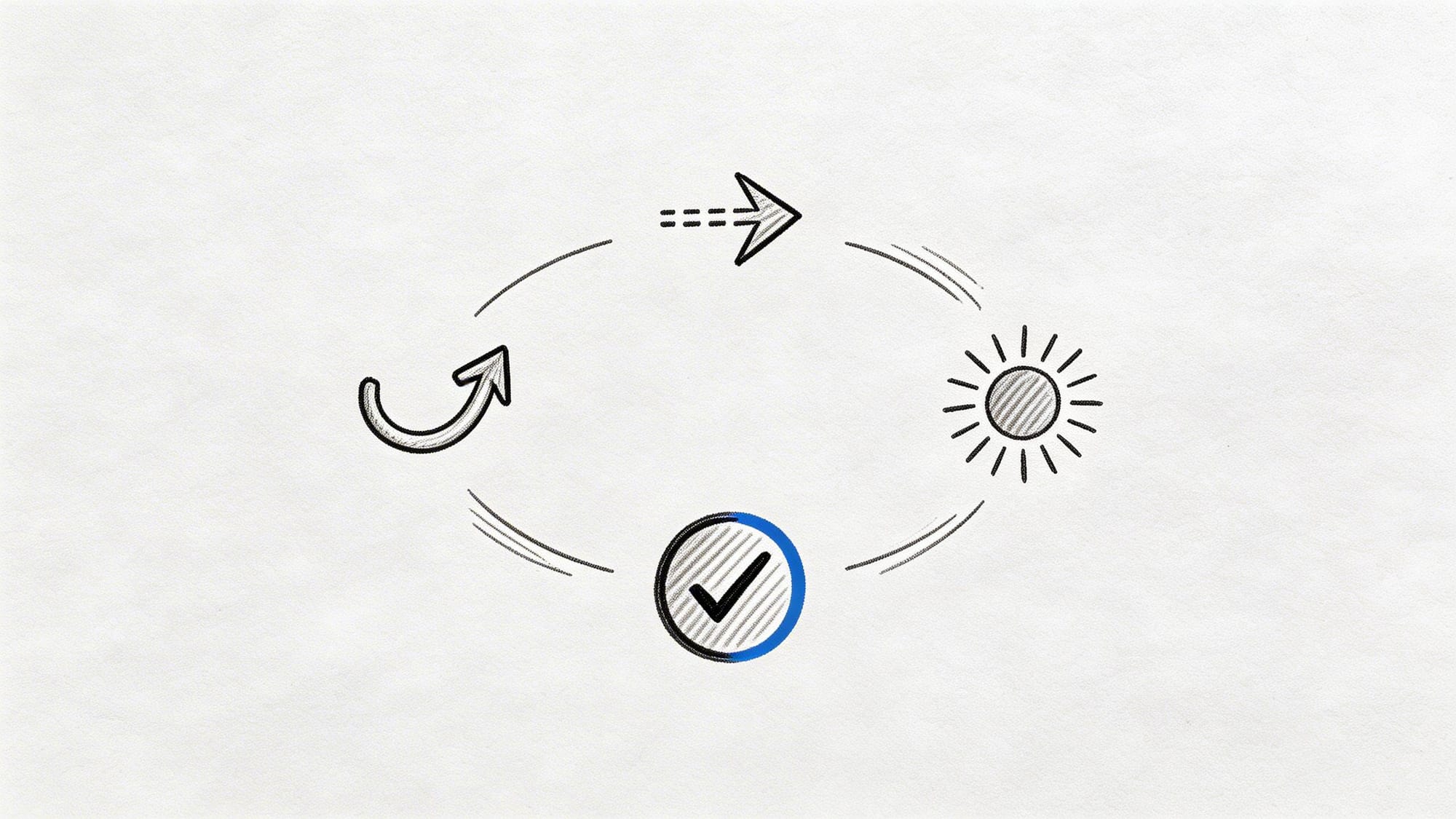
The Klinko diagnostic report scores your creative on four dimensions that correspond to distinct stages of the viewer's attention and decision journey. Understanding what each one measures prevents the most common mistake: trying to fix the wrong part of a creative in response to a low score.
Hook Score: The Attention Capture Signal
What it measures
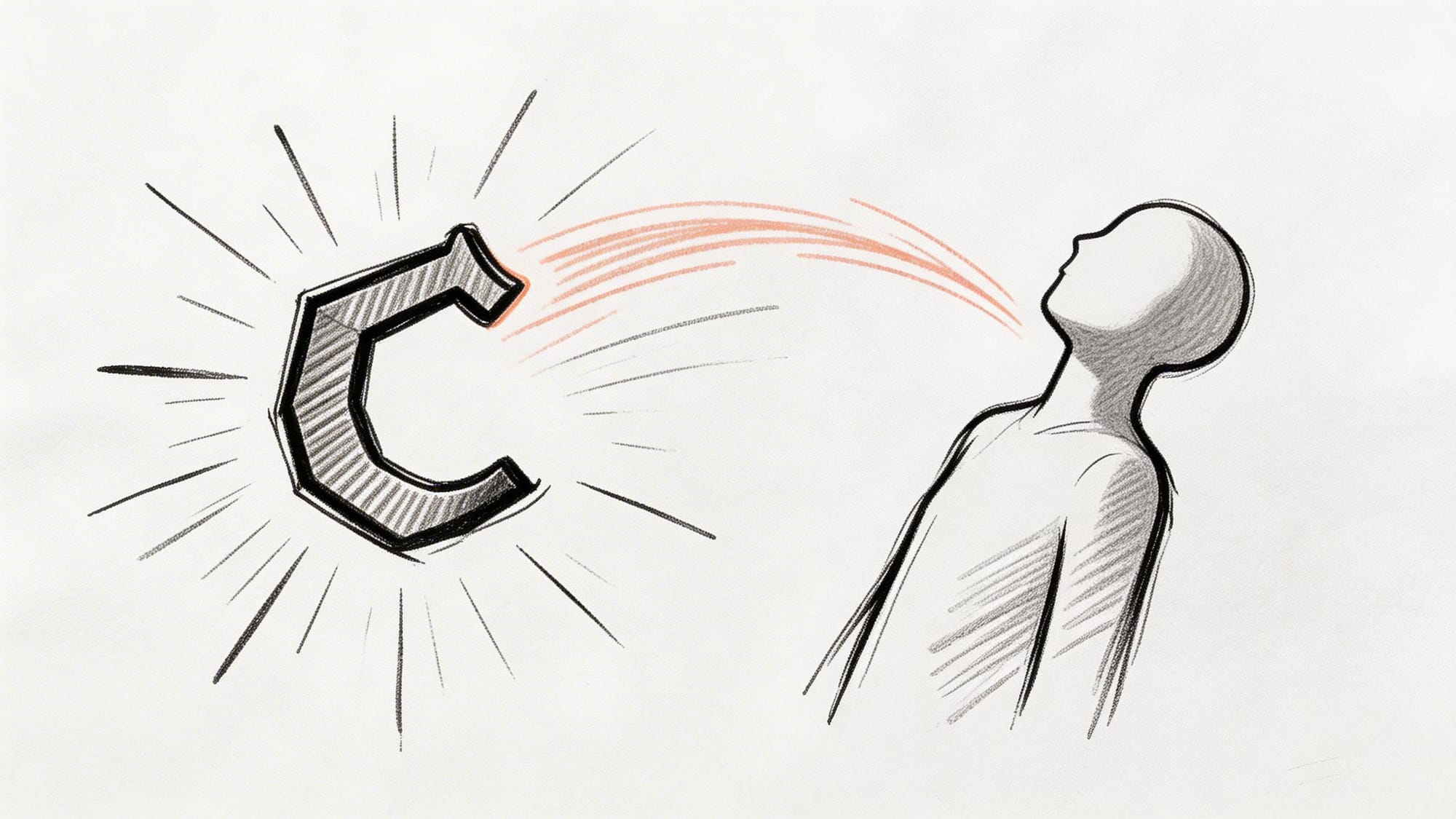
The Hook Score evaluates the likelihood that your creative's opening three to five seconds captures and holds attention from the target demographic. It's generated by 100 virtual audience members responding to the initial frames of your video, or the opening statement in a text brief or static image.
Hook Score meaning reflects two things simultaneously: whether the opening statement or visual is intrinsically interesting, and whether it's relevant to the specific demographic you've selected. A hook that scores well for a 35–44 US fitness audience may score differently for an 18–24 beauty audience — even if the production quality is identical.
How to interpret your score
High Hook Score (roughly 70+): The opening is capturing attention effectively with your selected demographic. At this level, focus your review on whether the body content and CTA sustain the momentum the hook establishes.
Mid-range Hook Score (roughly 40–69): The hook is partially working but has detectable weaknesses. This is the most common outcome for first-draft concepts. The AI modification suggestions in this range typically identify a specific element: the problem statement is too vague, the visual opening is low-context, or the emotional tone doesn't match the audience's expectations for this platform.
Low Hook Score (below 40): The hook is not effectively engaging the target demographic. This is a structural problem, not a polish problem. Changing color grading or music on a low-Hook-Score creative won't move the needle — the opening premise itself needs to be reconsidered.
What to do with a low Hook Score
A low Hook Score typically points to one of three root causes:
- Mismatch between the hook premise and the audience's real concern: The opening references something the selected demographic doesn't identify with. Fix: rewrite the hook around a more specific, recognizable problem or desire for that demographic.
- Hook is too generic: The opening could apply to any brand in the category, creating no reason to stop scrolling. Fix: add a specific detail — a number, a named outcome, a recognizable situation — that creates distinctiveness.
- Platform tone mismatch: The hook's pacing, language register, or visual style doesn't match the norms of the selected platform. Fix: rewrite specifically for the platform's native content style (faster pacing for TikTok, more narrative for YouTube Shorts).
CTR Prediction: The Conversion Intent Signal
What it measures
The CTR Prediction estimates the percentage of the target demographic that would click through to the next action after seeing the full creative. It factors in the hook's ability to hold attention, the clarity and relevance of the offer, and the alignment between the CTA and the audience's likely readiness to act.
This is distinct from the Hook Score. A creative can have a high Hook Score (great at capturing attention) but a low CTR Prediction (the offer doesn't convert that attention into action). Both need to work for the creative to perform end-to-end.
How to interpret your score
High CTR Prediction: The creative is predicted to convert attention into clicks effectively. The offer is clear, the CTA is appropriate for the funnel stage, and the audience is likely to feel that taking the next step is worthwhile.
Low CTR Prediction with high Hook Score: This is a common pattern that indicates a disconnect between the hook and the offer. The opening gets attention, but the body content or CTA doesn't deliver on what the hook implied. The AI modification suggestions typically flag this as a "bait-and-switch" pattern — the hook creates one expectation and the CTA demands a different response.
Low CTR Prediction with low Hook Score: Both dimensions need work. Start with the hook first — a strong hook is a prerequisite for CTR improvement.
What to do with a low CTR Prediction
- If the hook scored well: Review the consistency between your hook and your CTA. Ask whether someone who clicked based on your hook would feel the CTA is the logical next step. If not, revise either the hook framing or the offer framing so they're aligned.
- If the CTA commitment level is mismatched: Consider whether the action you're asking for is appropriate for the traffic temperature. Cold audiences on TikTok or Reels respond better to low-commitment CTAs ("see how it works," "learn more") than high-commitment ones ("book a demo," "buy now").
Virality Index: The Organic Amplification Signal
What it measures
The Virality Index scores the creative's predicted shareability and organic amplification potential. It reflects whether the content is likely to prompt viewers to share, save, or engage beyond a click. High-virality content typically contains a universally relatable element, a surprising or novel take, or a cultural reference that creates a "send this to someone" moment.
For most paid ad campaigns, the Virality Index is a secondary metric — you're optimizing for conversion, not organic reach. It becomes highly relevant for campaigns where branded content is also intended to circulate as organic or UGC-style content, and for brands with strong community engagement goals.
How to interpret your score
A high Virality Index with moderate Hook and CTR scores suggests the creative may perform better as an organic or awareness asset than as a direct-response ad. Consider whether the content is better deployed as a brand-building piece rather than a conversion-focused placement.
A low Virality Index in an otherwise strong creative is typically not a problem for direct-response campaigns. Don't sacrifice offer clarity in pursuit of virality when your goal is conversion.
What to do with a low Virality Index
If virality is a genuine goal for a specific creative, the AI suggestions typically point to: adding a relatable emotional moment, referencing a current cultural signal, or including a clear "tag someone who needs this" setup. These adjustments can raise virality without undermining the conversion structure, as long as they're added to the body rather than replacing the offer.
Cultural Compliance Rating: The Platform Safety Signal
What it measures
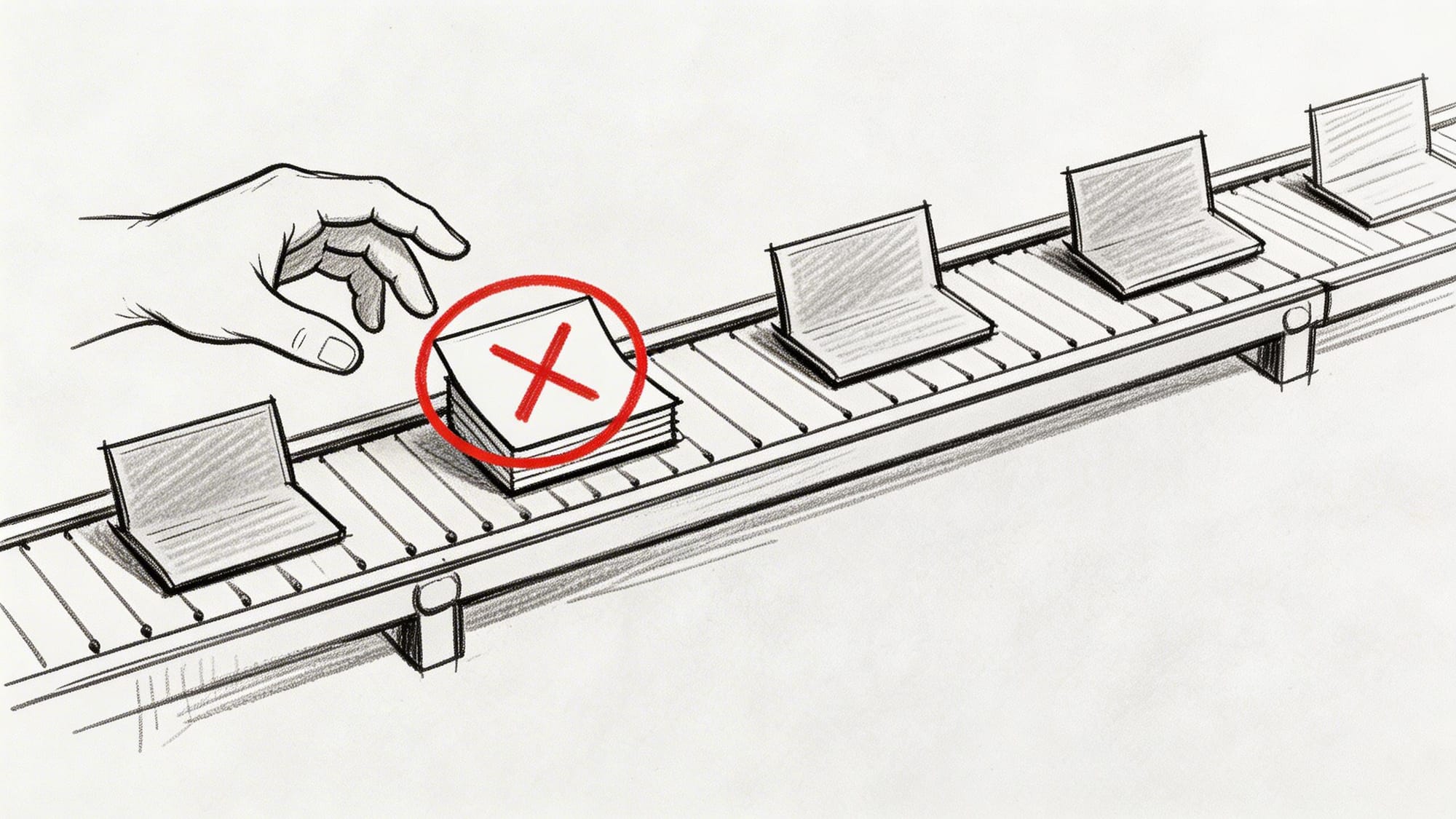
The Cultural Compliance Rating evaluates whether your creative aligns with current platform policies, cultural norms, and social expectations for the North American market. It flags content that may be at risk of:
- Platform moderation or restricted reach due to policy sensitivities
- Negative reception due to culturally outdated framing, stereotyping, or insensitive references
- Legal exposure from claims that read as misleading, unverifiable, or regulated
This metric is particularly important for categories with heightened compliance risk: health and wellness, finance, supplements, weight loss, and any before/after content.
How to interpret your score
High Cultural Compliance Rating: The creative is predicted to be broadly acceptable for the North American market and consistent with current platform expectations. Not optimized — just not at risk of platform or cultural friction.
Low Cultural Compliance Rating: The AI modification suggestions for this metric are the most actionable of all four. They typically identify a specific phrase, visual element, or claim that triggers the flag — which means you can address it precisely rather than reworking the whole creative.
What to do with a low Cultural Compliance Rating
Review the AI suggestions carefully. Common triggers include:
- Outcome claims that can't be verified: "Guaranteed results," "proven to" without citation, "fastest," "best" without qualification
- Before/after visual framing: Restricted or heavily moderated on most platforms for health and wellness categories
- Demographic-insensitive language: References that read as stereotyping or exclusionary to any segment of the target audience
- Trending cultural references that have reversed sentiment: Phrases or formats that originated positively but have since developed negative connotations
Fix the flagged elements, then re-simulate before launch. A revised creative that clears the Cultural Compliance Rating is ready for live deployment with meaningfully reduced moderation risk.
Using the AI Modification Suggestions
The four metric scores tell you what needs work. The AI modification suggestions tell you where in the creative to make changes. Reading both together is more powerful than looking at either alone.
Best practices for using the modification suggestions in your creative scorecard workflow:
- Prioritize by metric severity. If your Cultural Compliance Rating is low, address those suggestions before anything else — compliance issues can render other improvements moot if the creative can't be distributed. After compliance, address Hook Score issues (they affect everything downstream), then CTR Prediction, then Virality.
- Don't apply all suggestions at once. Each modification suggestion targets a specific element. Making multiple simultaneous changes makes it harder to identify which change drove any improvement when you re-simulate. Apply one to two targeted changes, re-simulate, and compare.
- Use suggestions as diagnostic prompts, not copy edits. If the suggestion flags that your hook is too generic and proposes an alternative, use the direction while writing your own version that fits your brand voice.
- Re-simulate after major revisions. If you've made structural changes to the hook or significantly altered the offer framing, run a new simulation session to confirm the changes moved the scores before the creative goes to production or live spend.
FAQ: Klinko Diagnostic Report
Q: What does the Klinko Hook Score measure?
A: The Hook Score measures how effectively your creative's opening three to five seconds captures attention from your specified target demographic. It's evaluated by 100 virtual audience members responding to the initial content of your video, image, or text brief. A high Hook Score means the opening is engaging the target audience effectively; a low score means the opening isn't connecting — which will undermine the rest of the creative regardless of how strong the body content or CTA is.
Q: What is a good CTR Prediction in Klinko?
A: CTR Prediction is a relative metric — its primary value is for comparing variants against each other, not as a standalone absolute number. A concept with a higher CTR Prediction than a competing variant is predicted to convert attention into clicks more effectively, which is the core decision input for which concept to prioritize in live spend. Treat it as a ranking tool rather than an exact forecast.
Q: What does a low Cultural Compliance Rating mean?
A: A low Cultural Compliance Rating means the simulation has flagged elements in your creative that are at risk of platform moderation, restricted reach, negative cultural reception, or legal exposure in the North American market. The AI modification suggestions associated with a low Cultural Compliance Rating are typically the most specific and actionable in the report — they identify the exact phrase, claim, or visual element causing the flag, so you can address it directly rather than reworking the whole creative.
Q: How many times should I re-simulate after making changes?
A: For structural changes — a rewritten hook, a new offer framing, or a revised CTA — one re-simulation is sufficient to confirm the direction. For minor copy tweaks, re-simulating is optional but useful if the original score was borderline. Avoid the pattern of running 10+ simulations chasing a perfect score: the goal of the Klinko diagnostic report is to identify and fix meaningful weaknesses, not to optimize to an arbitrary numerical target before launch.
Putting It Together: From Report to Launch Decision
A creative is ready for live launch when: the Hook Score is strong (the opening is validated for your target demographic), the CTR Prediction is competitive against any tested variants, the Cultural Compliance Rating is high (no active flags), and the AI modification suggestions have been reviewed and addressed — or consciously accepted.
If any of these conditions isn't met, the simulation has done its job. It's flagged a problem before live spend, which is exactly what it's designed to do. Address the flagged issues, re-simulate if needed, and launch with a creative that has cleared every dimension of the Klinko diagnostic report.
New users can run their first simulation at klinko.ai — the Free plan includes 100 credits per day for the first six days, which covers multiple full report cycles.


